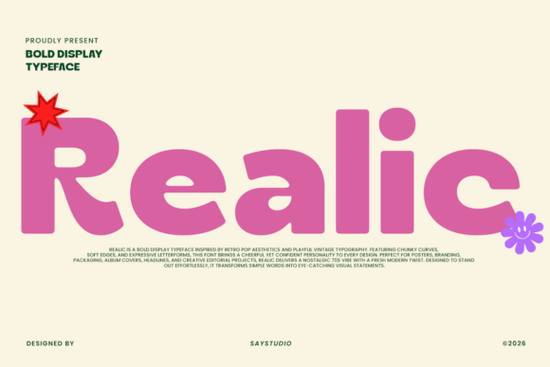
If you're looking for a display font that blends retro charm with bold, modern energy, Realic Font is worth a closer look. Designed with playful confidence in mind, Realic brings a joyful punch to everything from food packaging and event posters to social media banners and merchandise. It’s especially handy if your project needs typography that stands out without feeling overly complicated.
What makes Realic Font work well for branding and design?
Realic isn’t just loud it’s intentional. Its thick strokes, rounded terminals, and slightly uneven baseline give it a handcrafted, vintage-inspired feel while still reading clearly at large sizes. That balance makes it ideal for designers who want personality without sacrificing legibility. Unlike some retro fonts that lean too heavily into nostalgia, Realic feels fresh enough for contemporary campaigns, especially in industries like food, beverage, music, or lifestyle branding.
You’ll find it particularly effective when used for:
- Product labels and packaging (think craft sodas, snack bags, or coffee sleeves)
- Event flyers or festival posters
- Social media quote graphics or story highlights
- T-shirt or tote bag designs
- Album art or podcast cover thumbnails
How does Realic compare to other bold sans-serif fonts?
While many display fonts aim for impact, Realic distinguishes itself through its subtle quirks like slightly tapered curves and organic spacing that keep it from feeling rigid. If you’ve used fonts like Qunotz or Nugget, you’ll notice Realic sits somewhere between their friendly geometry and the sharper presence of something like Crisp Edge. It’s less tech-forward than options in the Futuristic Technology Bundle, which makes it better suited for warm, human-centered brands rather than sci-fi or digital themes.
One thing to note: Realic is a display font, so it’s best reserved for headlines, logos, or short bursts of text. Using it for body copy or small print can reduce readability, especially in print-on-demand contexts where ink bleed or resolution might affect fine details.
Who should consider using Realic Font?
Small business owners creating their own product labels or promo materials will appreciate how quickly Realic adds visual interest without needing advanced design skills. Crafters selling custom mugs, stickers, or apparel can use it to give their items a cohesive, branded look. Print-on-demand sellers often struggle to find fonts that feel unique but still commercially safe Realic fits that sweet spot, especially when paired with clean secondary typefaces for contrast.
For hobbyists or weekend creators, it’s also beginner-friendly. Most design platforms (like Canva, Adobe Express, or Affinity apps) support OpenType features, so accessing alternate characters or stylistic sets if included is usually straightforward.
Tips for pairing Realic with other fonts
Because Realic carries so much personality on its own, pair it with neutral, highly legible sans-serifs. Think fonts with open apertures and even stroke weights nothing too decorative. A few reliable combos include:
- Realic + Helvetica Neue (for minimalist contrast)
- Realic + Inter (for digital-friendly readability)
- Realic + a monospace font like Courier New (for editorial or indie magazine vibes)
Avoid pairing it with other retro or display fonts unless you’re going for an intentionally chaotic aesthetic. In most cases, simplicity in your supporting typography lets Realic shine.
Before you download: check licensing
Like all Creative Fabrica fonts, Realic comes with a standard commercial license, which covers most small business and personal projects. But if you plan to use it in templates you’ll resell (like logo kits or editable Canva layouts), double-check whether an extended license is needed. The product page will specify usage terms clearly always review those before launching a product line.
Quick checklist before using Realic Font:
- Use it only for headlines, logos, or short text not body copy.
- Test print samples if using for physical products (colors and sizing can shift).
- Pair with a simple, neutral sans-serif for balance.
- Confirm your intended use falls under the included license.
- Preview it in context sometimes bold fonts look great alone but overwhelm a layout.
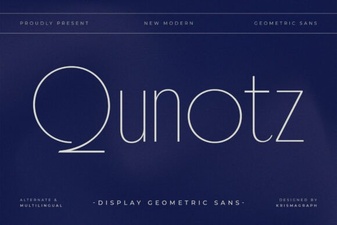 Qunotz Font: Modern Design for Creative Projects
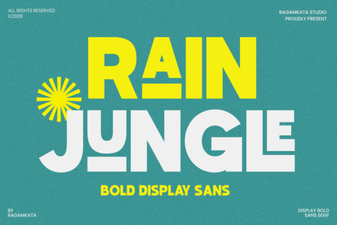 Rain Jungle Font: Design for Nature Projects
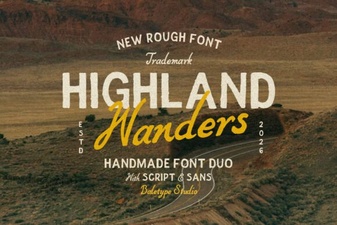 Highland Wanders Font: Design & Usage Ideas
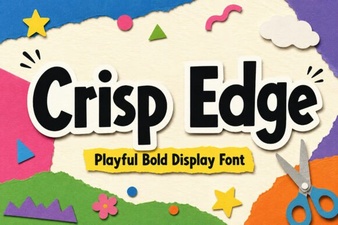 Designing with Crisp Edge Fonts for Clean User Interfaces
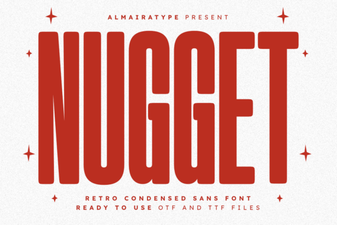 Nugget Font: a Bold Choice for Creative Projects
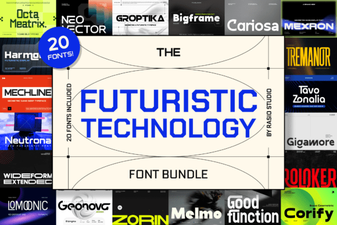 Futuristic Fonts for Modern Design Projects